How to Screenshot on Windows – A Complete Guide
 Nvery & Tina Collins
In short
Learn various methods to take screenshots on Windows, whether using built-in tools or third-party applications.

5 steps in this guide
Taking screenshots on a Windows computer is a simple yet powerful feature that can come in handy in many situations. Whether you’re capturing a full screen, a specific window, or just a part of the screen, Windows offers multiple methods to get the job done.
In this guide, we’ll explore various ways to take screenshots on Windows, including built-in tools and third-party applications. By the end, you’ll be able to capture, edit, and save your screenshots with ease.

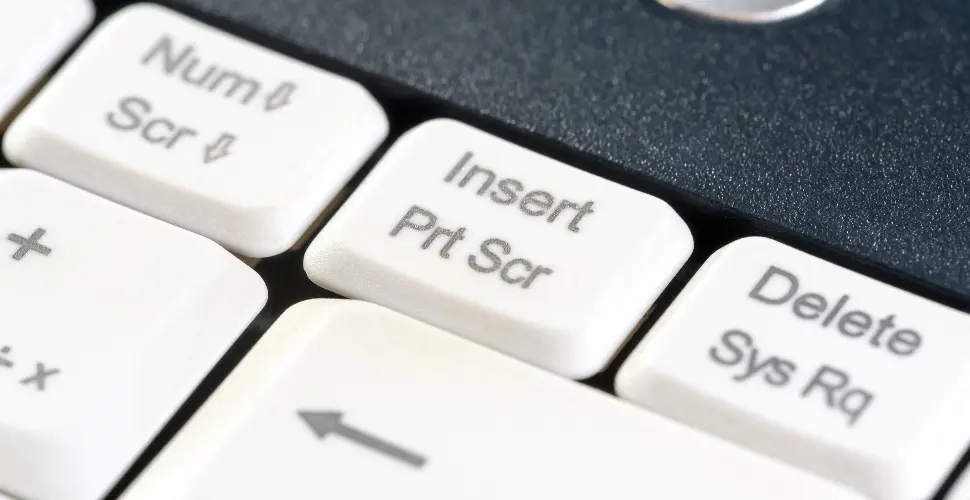
Step 1: Using the Print Screen Key (PrtScn)
The Print Screen key is the most straightforward way to take a screenshot on Windows.
Capture the Entire Screen
- Press the PrtScn key on your keyboard.
- The screenshot is copied to your clipboard.
- Paste it into an image editor like Paint using
Ctrl + V, and save it as an image file.
Capture the Active Window
- Press Alt + PrtScn.
- The screenshot of the active window is copied to your clipboard.
- Paste it into an image editor and save.
Auto-save Screenshot to File
- Press Windows key + PrtScn.
- The screen will dim briefly, and the screenshot will be saved automatically in the Pictures > Screenshots folder.
Step 2: Using Snipping Tool
The Snipping Tool is a built-in Windows application that allows you to capture specific areas of your screen.
How to Use Snipping Tool
- Open the Snipping Tool by searching for it in the Start menu.
- Click on New to start a new snip.
- Select the area of the screen you want to capture.
- Save the screenshot or copy it to the clipboard.
Snipping Modes
- Free-form Snip: Draw a free-form shape around the area.
- Rectangular Snip: Drag the cursor to create a rectangular selection.
- Window Snip: Capture a specific window.
- Full-screen Snip: Capture the entire screen.
Step 3: Using Snip & Sketch
Snip & Sketch is an enhanced version of the Snipping Tool, providing more features for capturing and editing screenshots.
How to Use Snip & Sketch
- Open Snip & Sketch from the Start menu.
- Click on New to start a snip.
- Select the area to capture using one of the snip modes.
- Edit the screenshot if needed, using the tools provided.
- Save or share the screenshot.
Quick Snip
- Press Windows key + Shift + S.
- The screen will dim, and you can select the area to capture.
- The screenshot is copied to your clipboard and can be pasted into any application.
Step 4: Using Game Bar (Windows + G)
The Game Bar is primarily for gamers but can be used by anyone to capture screenshots.
How to Capture Screenshots with Game Bar
- Press Windows key + G to open the Game Bar.
- Click on the Camera icon or press Windows key + Alt + PrtScn to capture a screenshot.
- Screenshots are automatically saved in the Videos > Captures folder.
Step 5: Using Third-Party Applications
If you need more advanced features, third-party applications can be a great option.
Popular Third-Party Screenshot Tools
- Lightshot: Simple and fast, with online sharing options.
- Greenshot: Offers more customization options.
- ShareX: Advanced tool with many capture and editing options.
Summary
 Taking a screenshot on Windows is a task that can be done in various ways, depending on your needs:
- Use the Print Screen key for quick captures.
- The Snipping Tool and Snip & Sketch offer more control over what you capture.
- Game Bar is great for gamers who want to capture in-game moments.
- Third-party tools like Lightshot and ShareX provide advanced options for editing and sharing.
With these methods, you can easily capture, save, and share your screen content on Windows.